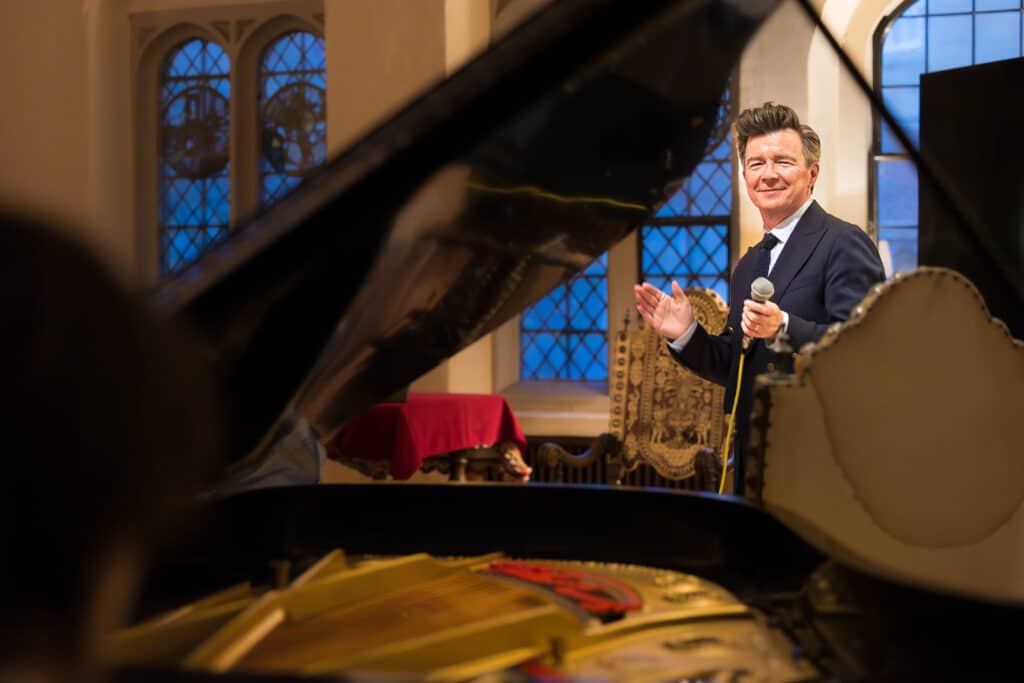
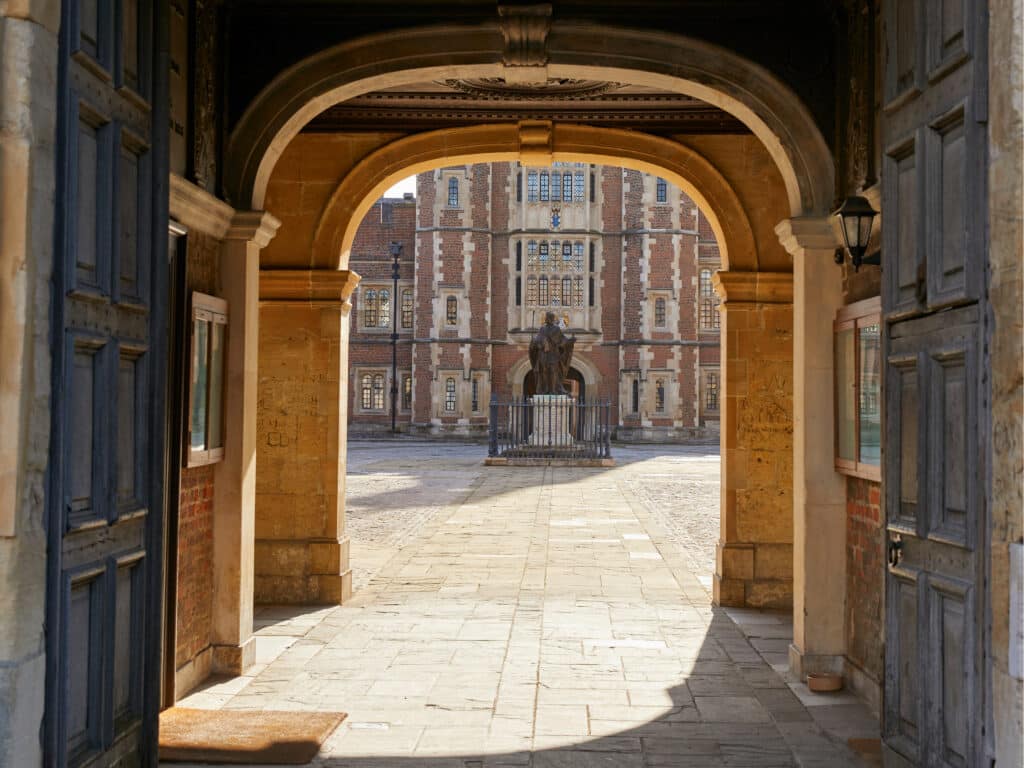
The Natural History Museum stirred with excitement as Ms Herbommez, Eton College’s Co-Director of Environmental Education, addressed the Environmental and Shackleton Societies on her eye-opening expedition to the South Pole. Her journey was hosted by the Villars Institute, a Swiss organisation dedicated to providing sustainable education for young people worldwide. The two-week Ice Station expedition aimed to promote education on the often-overlooked continent of Antarctica, raising awareness of the profound damage we are inflicting on our planet. Ms Herbommez led the talk alongside Jens Thomsen, a fellow expedition member and Chair of the Youth Council at the Villars Institute.
Upon arriving on the ice, our speakers were struck by the silence created by the absence of animals, insects, or any other forms of biodiversity. Every word spoken, every movement reverberated across the vast desert. Tsunami-like glaciers surrounded their pitched tents, which stood atop a surface of waxy white ice. With twenty-four-hour daylight, Ms Herbommez recounted her ritual of sitting out on the ice in the middle of the night, immersing herself in the power of such an immense continent.
There were many new considerations to make in such an extreme habitat. Snow shovelled into tents would not melt due to the climate, and would have to be disregarded manually. The speakers also recounted how one explorer accidentally spilt soda on the ice, leading to a meticulous process of scraping up the affected area and disposing of it properly. These moments helped inform their realisation that Antarctica could be deeply moving, yet remains incredibly fragile to human action.
While Antarctica often feels distant in everyday life, pushed to the edges of the world map, we should feel its proximity through the direct impact we are causing it. Still, the question remained. Why does Antarctica matter?
If rainforests are considered the lungs of our planet, Antarctica should be thought of as its conscience. Around 800,000 years of global history is preserved within the ice, and melting it away would erase crucial records needed to understand our planet’s past.
Ms Herbommez gave the example of assisting with a NASA scientific project near a glacier, aimed at recording permafrost conditions, as the barren environment closely resembled Mars. Discovering life in Antarctica could therefore help scientists understand the possibility of life on Mars.
Furthermore, due to the ice sheet reflecting 90% of sunlight back into the atmosphere, Antarctica plays a critical role in regulating global temperatures. This albedo effect also makes the continent especially vulnerable to global warming and rapid ice melt. The complete melting of Antarctica would result in a sea-level rise of approximately 58 metres worldwide, flooding coastal regions and altering rainfall patterns.
Beyond acting as a historical archive, Antarctica also functions as the Earth’s natural thermostat. It drives global ocean circulation and regulates temperatures across all seven continents. Losing this system would be devastating for humanity.
One particular statistic gripped the audience most – if Antarctica was shared equally across all eight billion of the global population, each individual would be accountable for ten tennis courts’ worth of ice. We are all responsible, whether we choose to acknowledge it or not.
Throughout the expedition, Ice Station connected with over two million children around the globe. A notable discussion point was the importance of maintaining the Antarctic Treaty, and its principles of peace, scientific cooperation, and the absence of territorial claims. The issue of tourism was also raised, with emphasis made on preserving the continent by restricting access to researchers and explorers only.
Ultimately, the central message was resoundingly clear. Our population has lost touch with its roots in nature, and it is imperative that we reconnect with the system that has allowed us to thrive. Antarctica is not the only issue facing the natural world, but because Earth functions as an interconnected system, we cannot afford to neglect any component.
The planet is able to sustain a large population, but not with such detrimental lifestyles. To create the difference we need, we must recognise our collective power, act intentionally, and make our carbon count.