After suffering from a sports injury during a rugby match, Harry L (Year 13) designed a card game that aims to increase awareness around concussions.
He began working on Cagoga at the start of Year 11 and finished the project a year and a half later, after taking his GCSEs and many rounds of game testing.
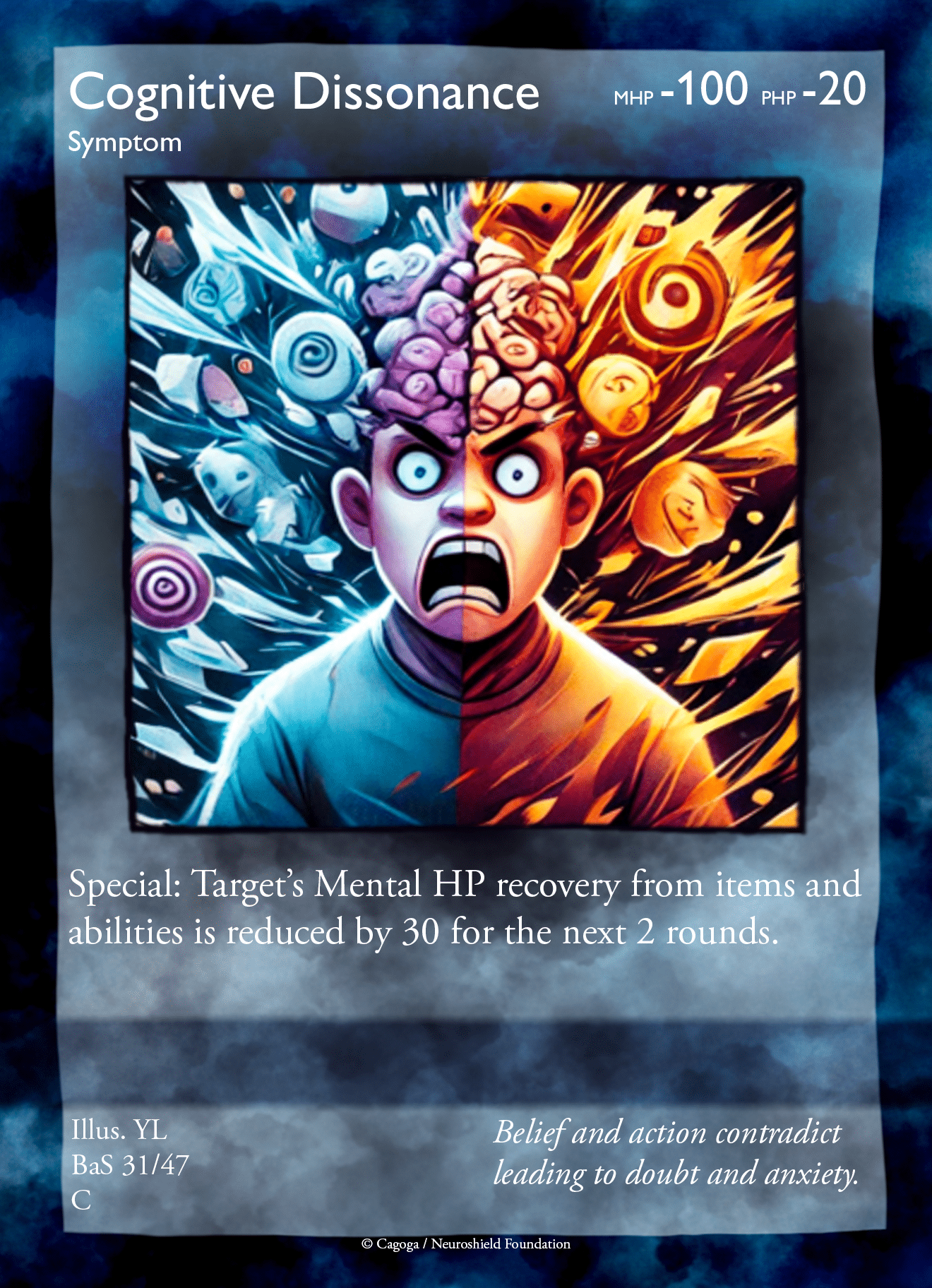
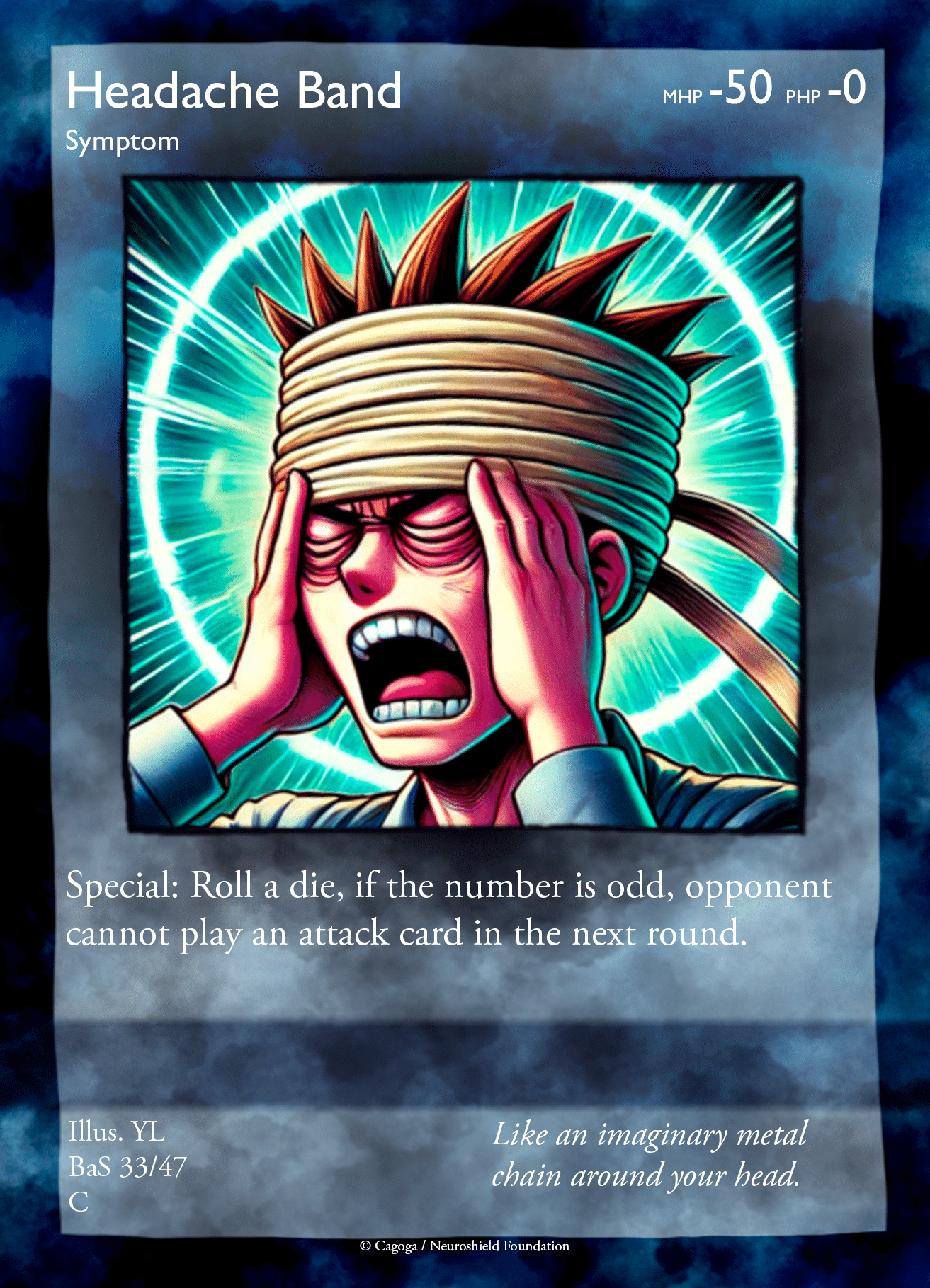
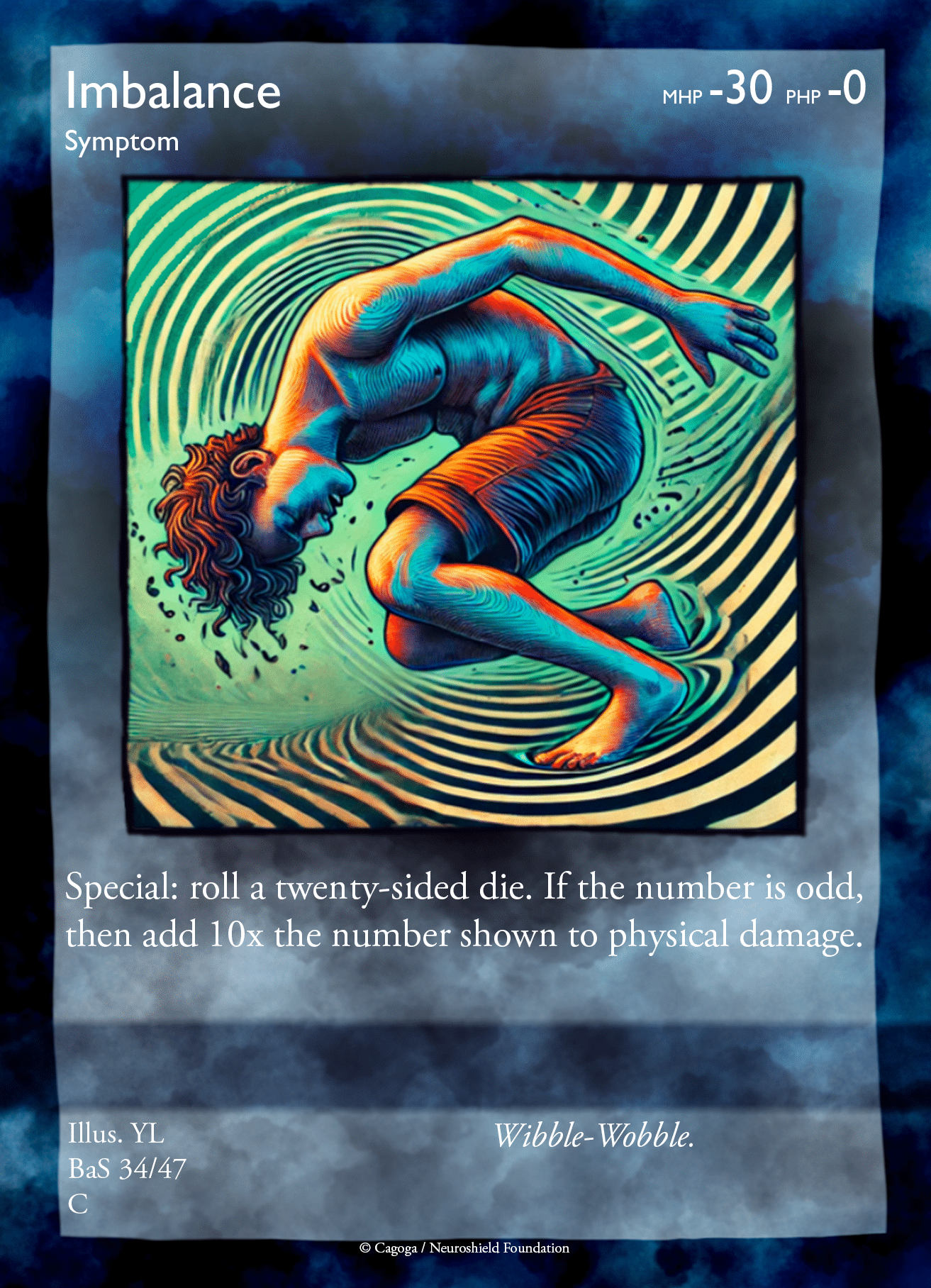
Inspired by his childhood hobby of collecting Pokémon, there are five card types: Character, Symptom, Utility, Attack, and Healing. The Symptoms category aims to inform people in a fun and memorable way, and includes echoing headaches, imbalance, and cognitive dissonance.
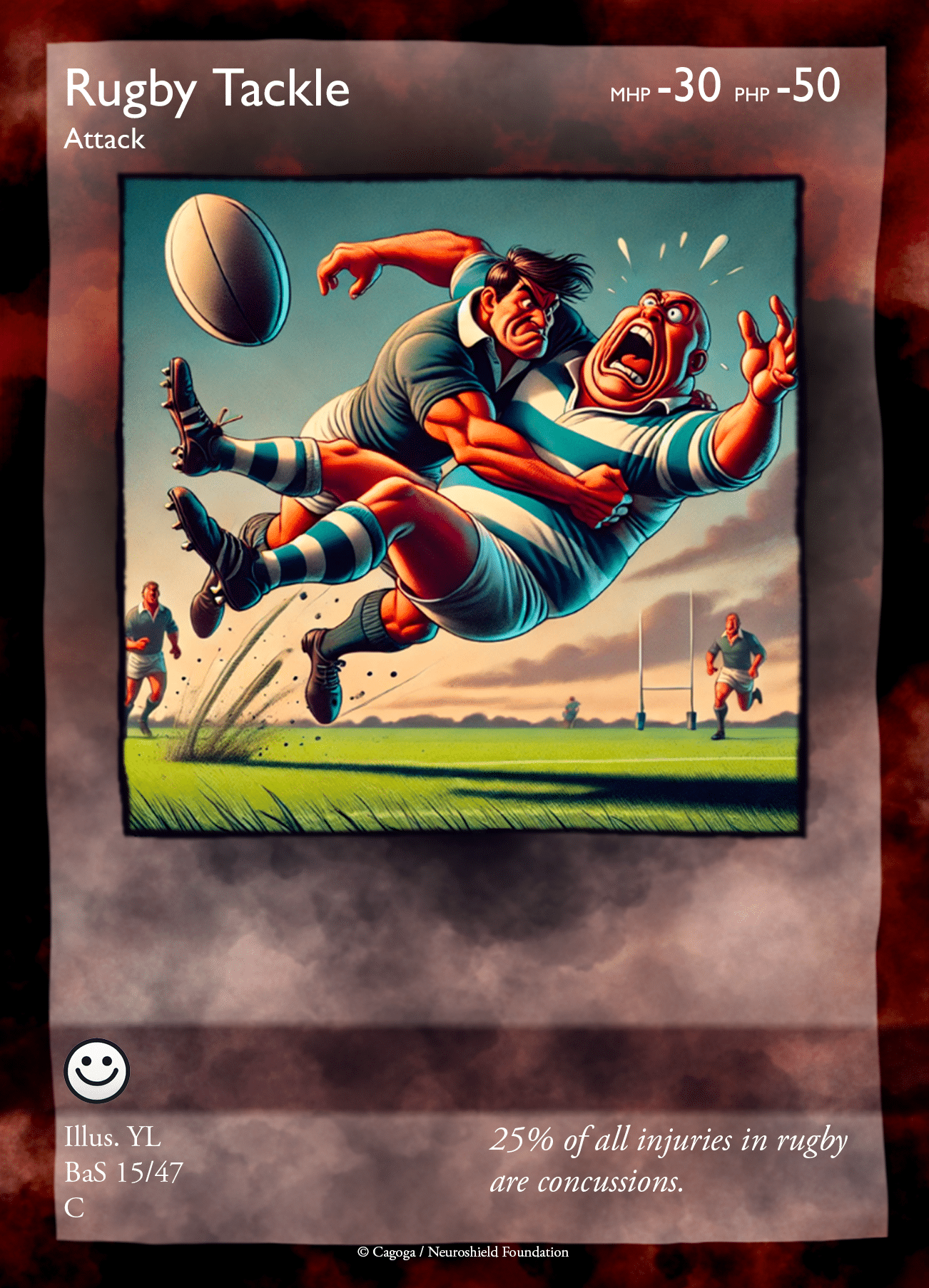
“I think you need some fun in a serious topic to make it less dark,” Harry said, referencing the falling bird poo card which is one of the concussion-inducing Attacks, along with rugby tackles and racing crashes.
Utility is the “support network” of the game and has cards like training and raising awareness so that concussions are spotted quickly which can help to reduce recovery time. “My Dame was very supportive throughout the whole process and she always contacted me during my recovery,” Harry said.
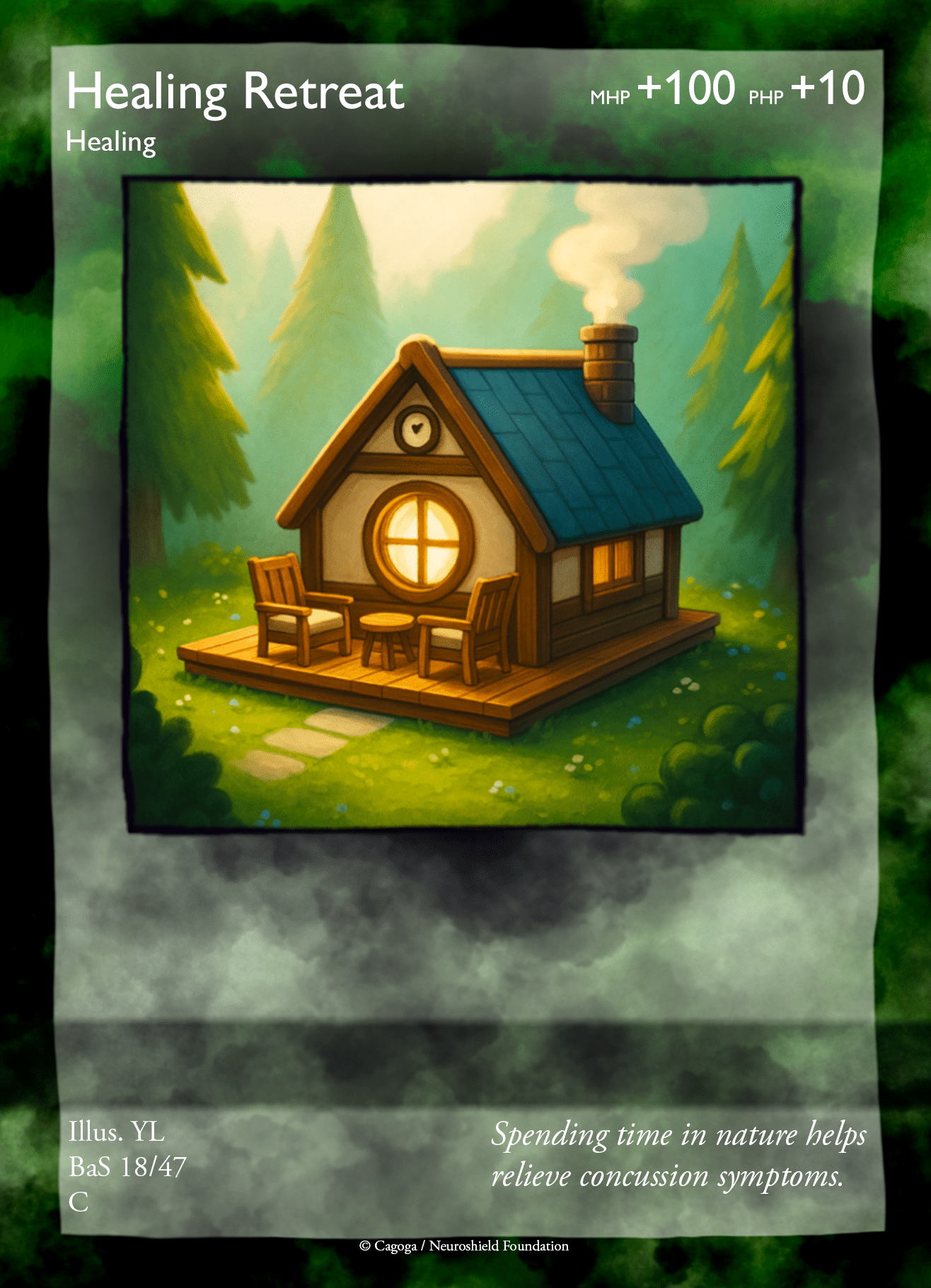
The Healing cards detail essentials for recovery such as sleep, water, and taking proper time off. For Harry, it took a year. During his research for the game, he learnt that the first 48 hours are the most critical. “You need to turn your brain off, be away from screens, and even just try not thinking at all. That gives your brain the best chance to recover.”
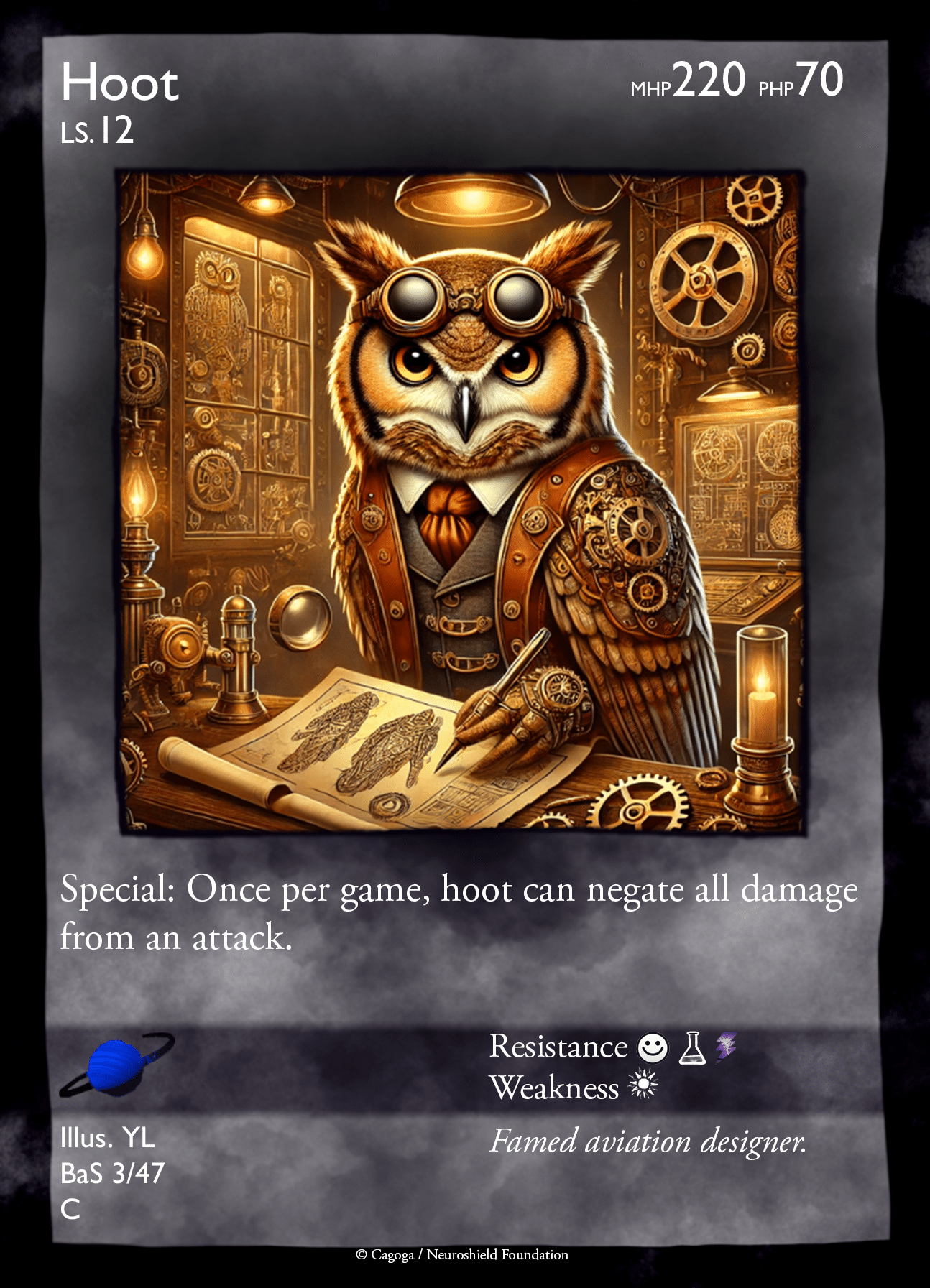
The Character card featuring a boy in a boat floating on a galaxy sea represents Harry and his mind while healing. By including himself, he hopes that players will be able to relate to his personal experiences which inspired Cagoga: “I think a big part of the game is letting people know that someone has experienced the same thing.”
So far, Harry has donated Cagoga to eight schools, 22 hospitals, and 67 libraries, as he believes they’re the places where it will benefit people most. He also hopes that the game will help children communicate: “When kids suffer concussions, it’s harder to describe what you’re going through. I thought that the card game could be a way of communicating between parent and child.”
Harry credits Jon Newton, Deputy Head (Co-Curricular), and Head Master Simon Henderson for supporting his goal of increasing concussion awareness as, while researching, he discovered that concussion is more prevalent than he thought. Eton has already taken steps to reduce incidences (for example, contact training has been reduced in Rugby and heading of the ball has been banned in the Field Game) as well as to further raise awareness, increase training and improve response and treatment (including on Return to Play). Seeing these changes enacted, Harry said: “It made me proud.”