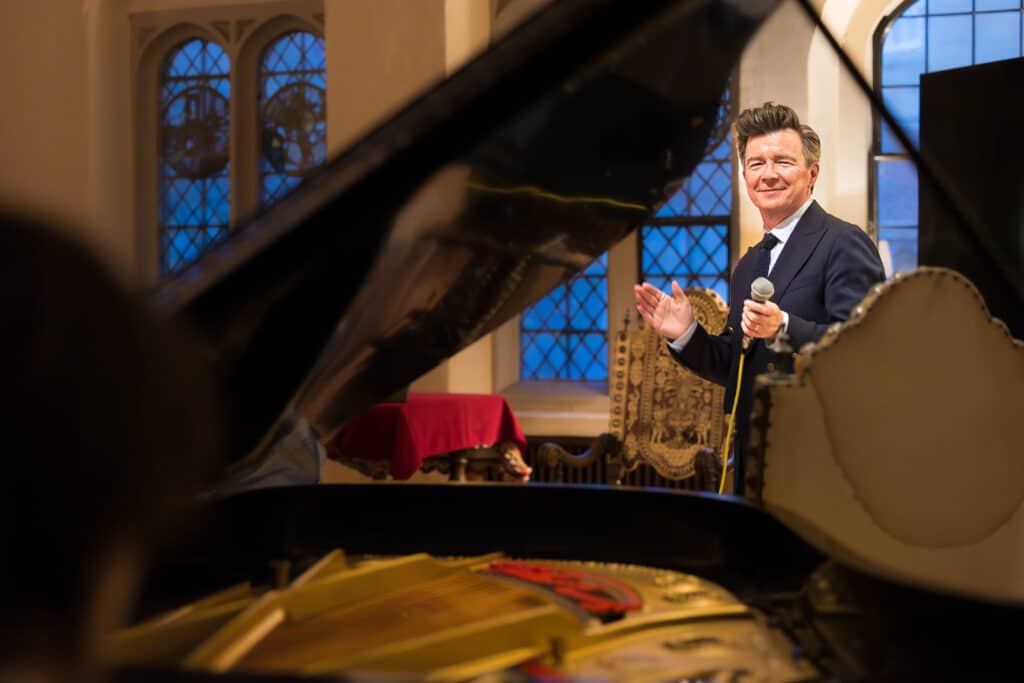
On 2 February, Eton’s Geographical and Environmental societies were delighted to welcome Beccy Speight, CEO of the Royal Society for the Protection of Birds (RSPB). Before leading the largest nature conservation organisation in Europe, Beccy was Chief Executive of the Woodland Trust, and also has experience leading parts of the National Trust.
Beccy began by taking us through how far the RSPB has come over the years – from a campaign headed by three women to an organisation with 1.2 million members. Beccy’s talk centred on the fact that we have many environmental battles ahead of us, yet through the human emotion of hope, we will find the route to a better world.
It was inspiring to hear Beccy adeptly weave the RSPB’s biggest success stories into her talk, from White-tailed Eagles to Cirl Buntings and Dartford Warblers. After moving onto topics like people and science, she ended her talk with a focus on shifting policy; after all, the fate of nature at a larger scale is up to political decisions.
She explained that the RSPB is one of the main forces urging the UK government to keep sufficient attention on the nature crisis – with one such victory being the shutting down of Sand Eel fisheries in the North Sea which is helping seabirds recover.
Beccy then very kindly agreed to answer questions from the floor, and it quickly became evident how interested the audience were in the matters discussed. The topics ranged from agriculture to housing to overpopulation.
One Etonian asked about the significance of the RSPB’s annual Big Garden Birdwatch, and Beccy replied saying that the survey encourages people to connect with nature in their own back garden, which is becoming increasingly important as space for nature in the wider countryside diminishes.
Another boy asked about the adverse effects that the increasing populations of certain birds like the Red Kite could pose, to which Beccy responded by detailing that we must not take action to disrupt the natural order of species unless the threat is known to be severe such as having an impact on whole populations of species (the Red Kite, for example, was widespread in Shakespeare’s time with no known issues).
Perhaps the most interesting topic of the evening was that of farming. Although it might seem a world away from birds, Beccy explained how the RSPB will be predominantly focusing on reinventing the food and farming system for the next few years, with a shift to more nature friendly farming for the resilience of the food system and in order to see farmland species recover. This will be most important for species such as the Yellowhammer, whose call is now seldom heard.
It was a brilliant evening to remember, and many valuable insights were shared into the ways that nature conservation will adapt in the coming years.