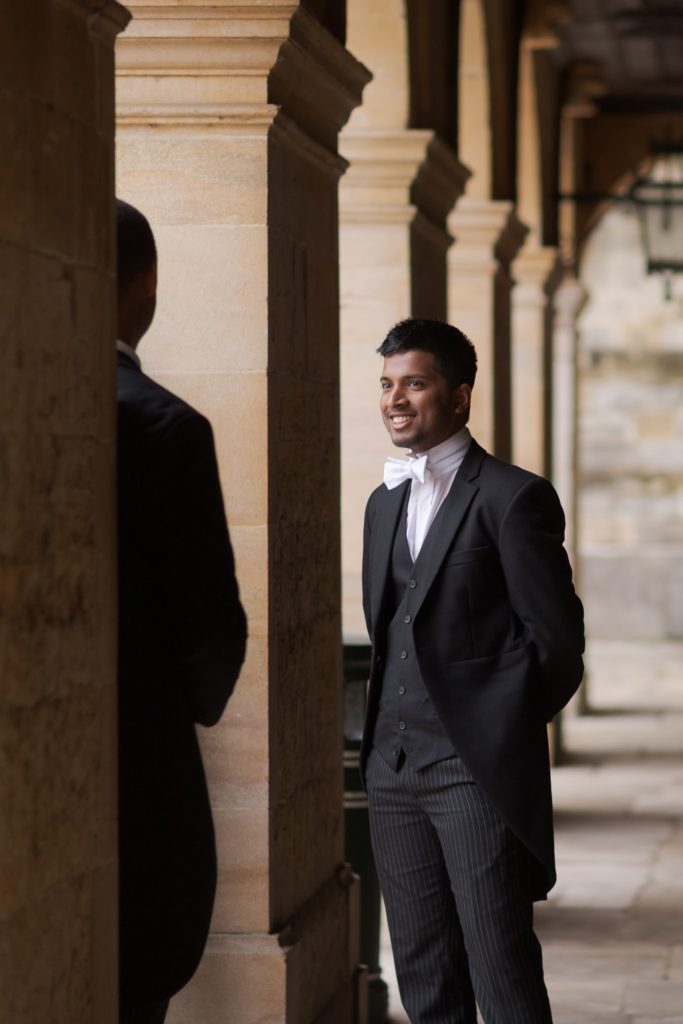
On the evening of Thursday 8 October, we welcomed an exceptional guest. Dame Anna Wintour, Chief Content Officer of Condé Nast and Global Editorial Director of Vogue joined the Fashion Society for an interview with Francis W and Theo W (both B Block/Year 13). Before a packed audience of Etonians and pupils from Holyport and Downe House, the renowned editor and cultural figure offered a fascinating insight into a career that has heavily influenced the world of fashion, publishing, and the arts.
From her early years in London to her experiences in New York, Wintour reflected on the people and ideas that have influenced her approach to creativity and her responsibilities as a leader.
Wintour began by speaking on the fashion industry’s enduring appeal. Addressing the misconception that fashion is merely superficial, she explained that it is a way for people to communicate something about themselves through what they wear, a “world about personal expression, freedom of expression and individuality”.
Wintour also considered the extraordinary pace of change within the industry and on the legacy of major fashion houses including Dior, Givenchy and Chanel. She stressed the importance of creative vision in an increasingly volatile environment facing a continual “tsunami of change”. Truly original designers, she suggested, are “few and far between”. Those are the designers who can create a dream; an ability to create an entire world into which an audience can be drawn.
Her reflections on Karl Lagerfeld illustrated the significance of that vision. Wintour spoke warmly of his remarkable creative energy and the unwavering dedication he brought to his work describing him as “wicked with an amazing sense of humor”. She also highlighted the power of exhibitions to introduce fashion to new audiences, recalling the impact of the Alexander McQueen exhibition at the Metropolitan Museum of Art, which helped transform expectations of the Met Gala and brought the designer’s work to audiences around the world. The conversation offered a reminder that fashion is not an isolated industry, but one that draws upon elements of storytelling.
Wintour then spoke about her early career in London at Harper’s Magazine and Queen during the 1960s and 1970s, where she learnt the practical foundations of fashion journalism, before moving to New York. After an early setback at Harper’s Bazaar, she joined New York Magazine, entering what she described as a thrilling period in the city’s cultural life. She spoke of the joy of working alongside writers and cultural figures, including Tom Wolfe, an experience that contributed significantly to her development as an editor. Her recollections of Studio 54 offered a glimpse of a venue that, beyond its glamorous reputation, she remembered it as surprisingly small and rough-edged, while offering a view of an extraordinary cross-section of society.
The conversation also explored the importance of recognising and nurturing talent. She reflected on her long-standing creative partnership with Grace Coddington, highlighting Coddington’s gift for storytelling and her ability to transform a fashion shoot into a fairytale. Their contrasting approaches illustrated how different perspectives can combine to produce exceptional work. Wintour also discussed the satisfaction of mentoring emerging talent, emphasising that there are many ways to build a fulfilling career.
Leadership during difficult times formed another central theme. Recalling the September 11 attacks, the financial crisis and the Covid-19 pandemic, Wintour described the challenge of maintaining morale and bringing people together during periods of uncertainty. When New York’s streets fell quiet during lockdown and the “city was on its knees”, communication and collaboration became more important than ever. Her reflections highlighted the responsibility of a leader not only to guide a team, but also to sustain its energy and sense of purpose.
Her commitment to supporting others was also evident in a discussion of philanthropy and the arts. Influenced by her father’s career in journalism and her mother’s work supporting young women, Wintour spoke about the importance of compassion, respect and using one’s platform to help others.
The lighter questions revealed interests beyond fashion, including gardening, walking, theatre and tennis. She reflected on the memorable 2008 Wimbledon final between Roger Federer and Rafael Nadal, stressed her admiration for playwright Tom Stoppard, named Coco Chanel and ASAP Rocky among her best-dressed figures, and faced the inevitable questions about The Devil Wears Prada and her signature sunglasses and bob.
Throughout the evening, Wintour offered a perspective grounded in the appreciation of creative talent. The event gave all those in attendance a rare opportunity to hear directly from a figure whose career has helped shape the modern fashion landscape, while exploring lessons in leadership and creativity that extend well beyond the world of fashion.